
About Rwanda
|
Rwanda, often called “the land of a thousand hills” (le pays des mille collines), is a landlocked country in East-Central Africa known for its mountainous terrain, rapid development, and resilient national spirit following a devastating period in its history. |



|
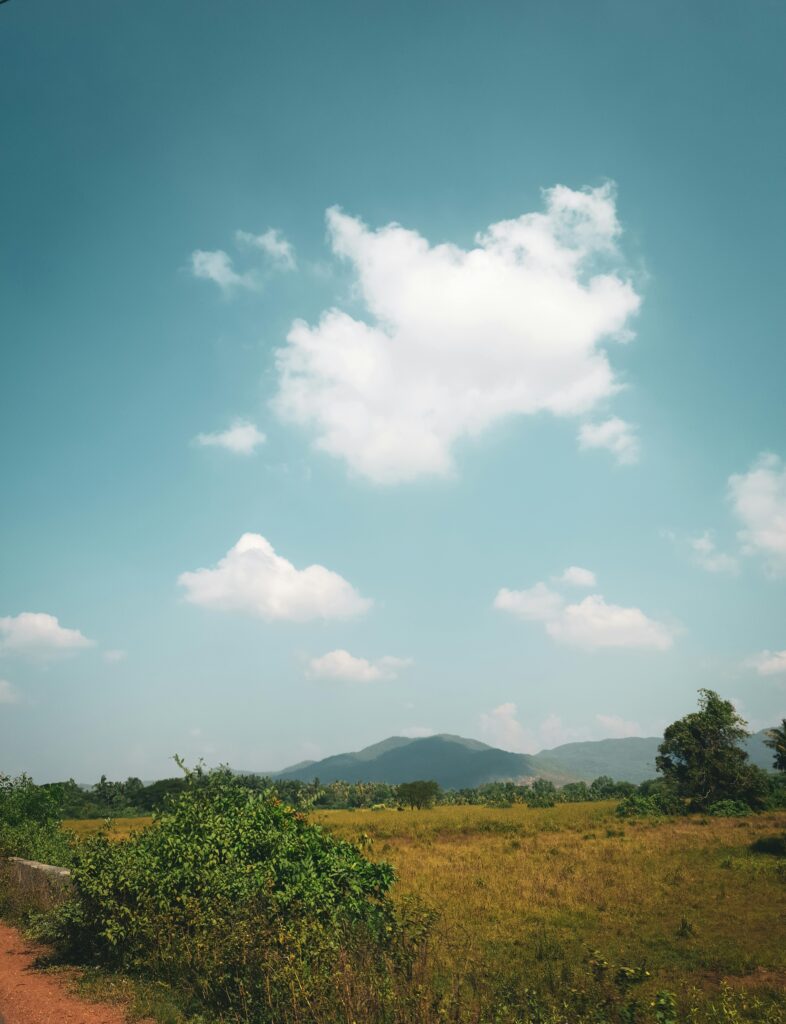
Cultural Traditions: Music and dance are central to Rwandan culture. The Intore dance is the most famous traditional routine, involving highly choreographed movements and drumming. The country is also known for unique art forms like Imigongo, a traditional cow dung art. Capital and Location: The capital and largest city is Kigali, located centrally. Rwanda is bordered by Uganda, Tanzania, Burundi, and the Democratic Republic of the Congo (DRC). Topography: The country’s high elevation, averaging 1,700 meters, is defined by rolling hills and mountains. The western side is dominated by the steep slopes of the Great Rift Valley and the Virunga Volcanoes, which are home to the famous mountain gorillas. Climate: Due to its high altitude, Rwanda enjoys a pleasant tropical highland climate. Temperatures are generally mild, with little variation throughout the year. The country experiences two main rainy seasons and two dry seasons. Key Sectors: The economy is primarily driven by the services sector, which contributes significantly to the GDP, and a robust agriculture sector. Exports: Major cash crops include coffee and tea. Tourism: This is a vital and fast-growing source of foreign exchange, centered on its national parks, especially for gorilla trekking in Volcanoes National Park. Kigali: The capital is a major driver of national economic growth and is known for its focus on urbanization, cleanliness, and security. Unified Culture: Unlike many other African nations, Rwanda was a unified state since pre-colonial times, populated by the Banyarwanda people who share a single language, Kinyarwanda. Other official languages include English, French, and Kiswahili. The 1994 Genocide: Rwanda’s modern history is tragically marked by the 1994 Genocide against the Tutsi, where up to a million people were killed in a matter of months. Post-Genocide Focus: Since 1994, the country has made immense progress, focusing on national unity, reconciliation, and rapid development. The government now emphasizes a single national identity (Rwandan) over ethnic divisions (Hutu, Tutsi, Twa). |